


Licorice
- Latin Name: Glycyrrhiza glabra
- Common Name: Licorice, Licorice Root
- Category: Herbal Extract / Adaptogenic Herb
- Source: Derived from the roots of the Glycyrrhiza glabra plant, native to Europe and Asia
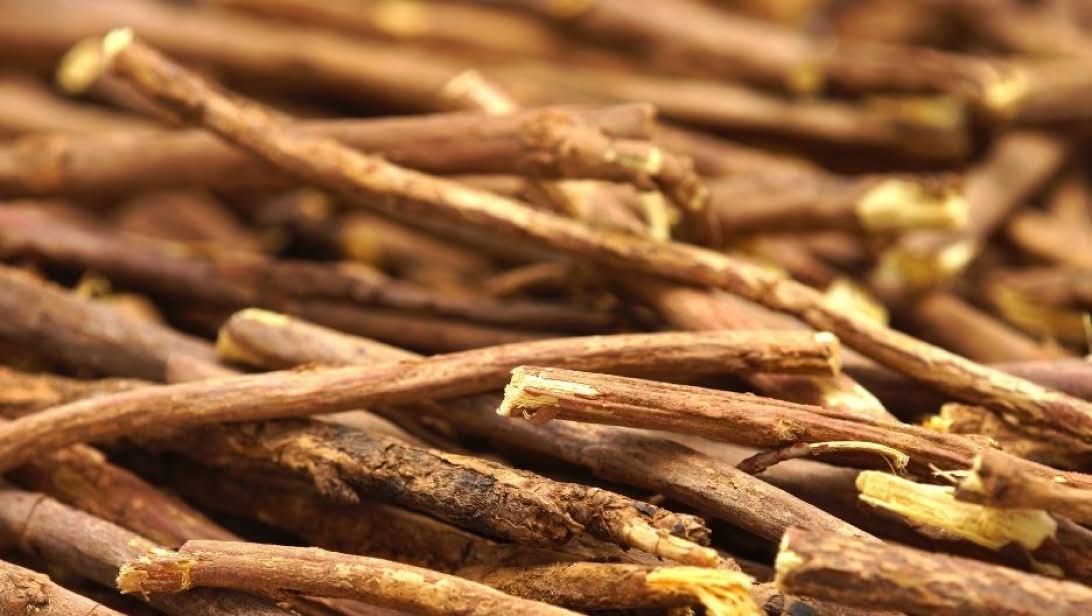
What is Licorice?
Licorice is a sweet-tasting herb derived from the Glycyrrhiza glabra plant that has been valued for thousands of years for supporting digestive and respiratory wellness. The root contains natural compounds including glycyrrhizin and flavonoids such as glabridin and liquiritin that contribute to its health-supporting properties. Deglycyrrhizinated licorice (DGL) is a processed form with most glycyrrhizin removed, making it safer for extended use while maintaining beneficial flavonoids.
Licorice Benefits
Digestive Support
Licorice helps maintain a healthy digestive lining by promoting the natural secretion of protective mucus. DGL may support occasional digestive discomfort related to meals by stimulating protective factors in the digestive tract. This approach works differently than acid-blocking options by encouraging the body's own defense systems.
Immune and Respiratory Balance
Licorice supports the body's natural defenses through its antimicrobial and immune-modulating properties. The root contains compounds that help maintain healthy immune responses and support respiratory comfort during seasonal changes. Traditionally valued for soothing throat discomfort, licorice promotes clear breathing and helps ease occasional respiratory irritation.
Skin Health
Licorice extract contains antioxidants that promote even-looking skin tone and help maintain a calm, balanced complexion. Glabridin helps control melanin production by working with the enzyme tyrosinase. Liquiritin helps disperse excess melanin already formed in the skin, supporting radiance and clarity.
Hormonal and Stress Support
Licorice acts as a gentle adaptogen that helps the body maintain balance during times of stress. The root supports healthy adrenal function and natural energy resilience by working with the body's cortisol metabolism. Women have traditionally used licorice to help maintain hormonal balance during monthly cycles and life transitions.
Liver and Detox Support
Licorice helps the body's natural detoxification pathways by supporting liver enzyme balance. Studies show licorice flavonoids contribute to liver cell protection and may help the organ process compounds more efficiently. The root contains plant-based antioxidants that support the liver's filtering functions.
Antioxidant and Cellular Protection
Licorice flavonoids demonstrate potent antioxidant properties that help protect cells from oxidative stress. These bioactive compounds neutralize free radicals throughout the body caused by environmental factors and normal metabolic processes. This protection promotes cellular resilience and supports overall vitality.
Digestive Support
Immune and Respiratory Balance
Skin Health
Hormonal and Stress Support
Liver and Detox Support
Antioxidant and Cellular Protection
PureHealth Research Products With Licorice

Gut Support Formula
Gut Health | Digestion | Wellness
Gut Support Formula contains 14 research-backed ingredients designed to promote gut health, regenerate gut barrier integrity, improve digestion, boost energy levels, and support the immune system. This formula helps to restore optimal gut health and overall wellness.
Subscribe & Save 10%
Shop Now
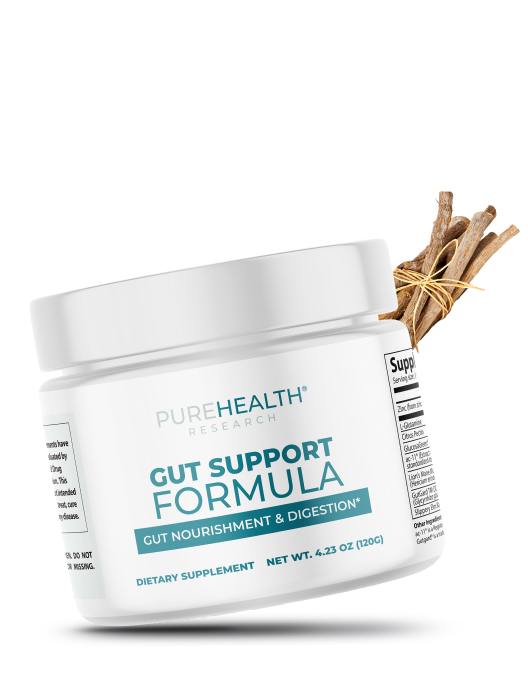
Gut Support Formula
Gut Health | Digestion | Wellness
Gut Support Formula contains 14 research-backed ingredients designed to promote gut health, regenerate gut barrier integrity, improve digestion, boost energy levels, and support the immune system. This formula helps to restore optimal gut health and overall wellness.
 Subscribe & Save 10%
Licorice Dosage
Licorice comes in several forms including capsules, teas, and liquid extracts. For licorice root extract, typical amounts range from 200 to 400 mg taken one to two times per day. DGL supplements often use 200 to 300 mg chewed before meals for digestive support. Traditional licorice teas may contain varying concentrations depending on how they are prepared. Consult a healthcare professional before use, especially if managing blood pressure or taking certain medications.
Demographic/Form
Recommended Daily Intake (mg)
Adults (19-50)
200-600
Women (51+)
200-400
Men (51+)
200-400
Older Adults (65+)
200-300
Licorice Root Extract
200-600
DGL (Digestive Support)
380-1,140
Upper Limit (Licorice Root)
5,000
Interactions with Other Ingredients
Licorice works well alongside several other herbal compounds. When paired with ginger, the combination offers complementary digestive and comfort support.
- Licorice combined with turmeric may provide enhanced antioxidant and liver function support through their synergistic pathways.
- Ashwagandha and licorice together combine adaptogenic and stress-balancing benefits for more complete support during demanding times.
- The antioxidant compounds in licorice may work alongside zinc to support immune function more effectively than either ingredient alone.
Foods and Drinks That Contain Licorice
Licorice appears in various traditional and modern forms. Herbal teas made from licorice root remain popular for digestive comfort and relaxation, with the root imparting natural sweetness to blends. Natural candies and confections use licorice extract for flavoring, though these products vary widely in actual licorice content.
Tinctures and flavoring extracts concentrate the root's compounds for culinary and wellness applications. Flavor intensity and glycyrrhizin content vary considerably depending on preparation method and whether the product uses whole root extract or DGL forms.
Licorice Side Effects
Licorice is generally well tolerated when used in moderate amounts for appropriate durations. High doses of glycyrrhizin can influence blood pressure and electrolyte balance, particularly affecting potassium levels, which is why DGL forms are considered safer for extended use. Here's what to watch for:
- Blood Pressure and Electrolyte Effects - High glycyrrhizin intake may increase blood pressure and lower potassium levels. Those with heart conditions or on potassium-affecting medications should exercise caution.
- Digestive Changes - Some people may experience mild stomach discomfort or changes in bowel movements when consuming larger amounts.
- Hormonal Effects - Licorice can interact with hormone pathways, which may be helpful or concerning depending on individual needs. Check with a healthcare provider if you have hormone-sensitive conditions.
- Pregnancy Concerns - Pregnant women should avoid licorice supplements as research suggests potential effects on pregnancy outcomes.
FAQ
References
Is licorice good for you?
Licorice offers several wellness benefits when used appropriately. The root provides digestive support, helps maintain healthy skin tone, and supports the body's natural stress response through its adaptogenic properties. For most healthy adults, moderate licorice consumption as part of a balanced approach to wellness can be beneficial.
Can I drink licorice tea every day?
Drinking licorice tea daily can be safe for many people when consumed in moderate amounts. Traditional use suggests 1 to 2 cups per day as a general guideline. The key consideration is total glycyrrhizin intake from all sources combined. If using DGL forms or lower-glycyrrhizin preparations, daily use presents fewer concerns. Those with blood pressure concerns or on potassium-affecting medications should limit intake or choose DGL alternatives.
Can licorice help with digestion?
Licorice supports digestive wellness through multiple pathways. The root helps maintain a healthy mucous lining in the digestive tract, which provides natural protection and comfort. DGL forms specifically target digestive support without the blood pressure effects of regular licorice. Many people use licorice for occasional digestive discomfort related to meals, as it promotes the body's own protective mechanisms.
Can you take licorice every day?
Daily licorice use depends on the form and amount consumed. DGL supplements can typically be used daily for digestive support with minimal concerns, as the glycyrrhizin has been removed. Regular licorice extract should be limited to moderate amounts and used for shorter periods unless under professional guidance. Extended daily use of high-glycyrrhizin licorice may affect electrolyte balance and blood pressure. Cycling licorice use or choosing DGL forms allows for consistent daily support when needed.
Does licorice support skin health?
Licorice contains several compounds that promote healthy skin appearance. Glabridin works to regulate melanin production and may help even out skin tone over time. Liquiritin helps disperse existing melanin for additional brightening effects. The antioxidant properties of licorice protect skin cells from environmental stressors. Both topical applications and internal use have been studied for supporting skin health, with topical forms showing particular promise for addressing uneven pigmentation.